Symptoms depend on the area of the brain affected and may include:
Symptoms include:
Primary Progressive Aphasia
Language-related problems such as:
Frontotemporal Movement Disorders
Movement-related symptoms:
A condition caused by vitamin B1 (thiamine) deficiency, commonly linked to alcoholism and
malnutrition
Korsakoff’s Syndrome (chronic stage)
Occurs when more than one type of dementia affects the brain at the same time.
May include:
Caused by a blow or impact to the head that disrupts brain function.
Brief 20-minute sessions of cardiovascular activity can trigger critical 'brain ripples' that improve long-term memory and information processing.
Studies indicate that a daily meditation routine can boost cerebral circulation
Incorporate an Anti-Inflammatory diet to include fish, fresh fruits and vegetables. Prioritize your inner health to nurture your peace and stay emotionally and mentally balanced
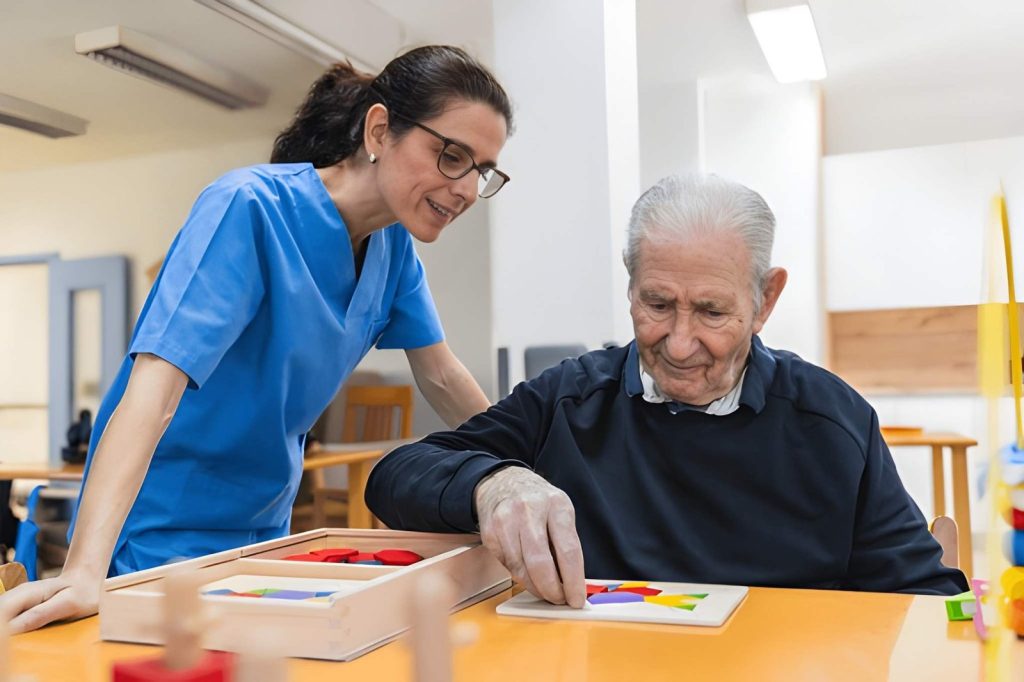
Stimulation through active social engagement boosts brain longevity.
Nurturing relationships and communal activities keeps the mind
sharp and spirits high.
Active social participation builds cognitive reserve, protecting
against decline.
Fostering strong social ties and shared hobbies enhances mental
resilience.
Community involvement and regular peer interaction are
protective factors for cognitive health.

Provides comprehensive educational materials, research updates, and free, printable publications.
Offers in-depth content on symptoms, diagnosis, and caregiving, plus a 24/7 helpline and ALZ Talks webinars.
Features fact sheets and expert information on dementia care.
Provides practical guides on safety, care options, and legal checklists.