Senior Care Guardian

We cover Southern California: Los Angeles County, Orange County, Riverside County, San Diego County

Resources

Major Types of Dementia

Alzheimer's disease

  • Most common type of dementia, accounting for about two-thirds of cases.
  • Caused by:
    ◦ Plaques made of beta-amyloid protein
    ◦ Tangles made of tau protein
    ◦ These changes disrupt normal brain cell function.

Common Symptoms

  • Short-term memory loss (usually the first symptom)
  • Difficulty learning new information
  • Problems with thinking and organizing
  • Poor judgment
  • Confusion
  • Difficulty speaking
  • Personality and behavior changes

Additional Facts

  • Brain changes begin many years before symptoms appear.
  • Average life expectancy: 8–12 years after diagnosis

Vascular dementia

  • Caused by reduced blood flow to the brain from:
    ◦ One major stroke, or
    ◦ Multiple small strokes

Symptoms

Symptoms depend on the area of the brain affected and may include:

  • Confusion
  • Disorientation
  • Trouble speaking or understanding
  • Difficulty walking
  • Sudden headache
  • Weakness, numbness, or paralysis on one side of the body or face

Additional Facts

  • Symptoms may appear suddenly or worsen in steps.
  • Life expectancy depends on the severity and type of stroke.

Dementia with Lewy bodies

  • Second most common type of dementia.
  • Accounts for about 20% of dementias.
  • Caused by abnormal protein deposits called Lewy bodies made of alpha-synuclein.

Key Features

  • Cognitive symptoms appear before movement problems.
  • Shares similarities with Parkinson’s disease dementia.

Common Symptoms

  • • Vivid visual hallucinations
  • • Fluctuating alertness and attention
  • • Parkinson-like movement symptoms:
    • Stiffness
    • Shuffling or unsteady gait
    • Flexed posture
    • High risk of falls
  • Visuospatial and executive functioning problems occur earlier than memory loss.

Additional Facts

  • Average life expectancy: about 7 years after symptoms begin

Frontotemporal dementia

  • Accounts for 10–15% of dementias.
  • Affects the frontal and temporal lobes.
  • Usually occurs at a younger age (45–60 years old).
  • Associated with abnormal tau protein buildup.

Frontotemporal dementia

Behavioral Variant FTD

Symptoms include:

  • Loss of empathy
  • Poor judgment or inhibition
  • Apathy
  • Obsessive behaviors
  • Overeating
  • Impulsivity

Primary Progressive Aphasia

Language-related problems such as:

  • Difficulty understanding language
  • Problems speaking
  • Difficulty reading or writing

Frontotemporal Movement Disorders

Movement-related symptoms:

  • Muscle rigidity and stiffness
  • Balance and walking problems
  • Difficulty swallowing
  • Restricted eye movements

Additional Facts

  • Average life expectancy: 2–10 years after diagnosis

Summary of Neurological Disorders and Cognitive Conditions

Parkinson's disease

A progressive neurological disorder affecting the brain, spinal cord, and nerves.

Causes

  • Destruction of dopamine-producing nerve cells
  • Associated with abnormal protein deposits called Lewy bodies (alpha-synuclein)

Early Symptoms

  • Resting tremor
  • Shuffling gait
  • Stooped posture

Later Symptoms

  • Memory loss
  • Difficulty paying attention
  • Poor judgment

Additional Facts

  • Usually develops gradually after age 50.
  • More common in men than women.

Wernicke-Korsakoff syndrome

A condition caused by vitamin B1 (thiamine) deficiency, commonly linked to alcoholism and
malnutrition

Two Stages

Wernicke’s Encephalopathy (acute stage)

  • Confusion
  • Abnormal eye movements
  • Poor muscle coordination

Korsakoff’s Syndrome (chronic stage)

  • Severe memory loss
  • Inability to form new memories
  • Hallucinations

Treatment

  • Stop alcohol consumption
  • Vitamin B1 replacement

Important Fact

  • Many symptoms improve, but memory loss is often permanent.

Postoperative cognitive dysfunction

A decline in cognitive abilities after surgery that may last weeks, months, or become permanent.

Greater Risk In

  • Undiagnosed dementia
  • Mild Cognitive Impairment (MCI)

Possible Symptoms

  • Memory problems
  • Reduced concentration
  • Poor comprehension
  • Language difficulties

Research Findings

  • No major difference between local vs. general anesthesia risk.
  • Surgery length is not a major factor.
  • Higher risk after open-heart surgery.
  • Patients with POCD at discharge have a higher risk of death within 3 months after
    surgery.

Huntington's disease

Also called Huntington’s chorea

Cause

  • A hereditary brain disorder caused by a defective gene.

Affects

  • Movement
  • Mood
  • Thinking abilities

Additional Facts

  • Symptoms usually appear between ages 30–50.
  • Progressive and fatal.
  • Average life expectancy: about 15 years after diagnosis

Mixed dementia

Occurs when more than one type of dementia affects the brain at the same time.

Common Combinations

  • Alzheimer’s disease
  • Vascular dementia
  • Dementia with Lewy bodies

Symptoms

May include:

  • Memory loss
  • Poor reasoning
  • Movement problems
  • Confusion

Important Facts

  • More common than once believed.
  • Many people have both Alzheimer’s disease and vascular dementia.
  • Combined diseases may damage the brain more severely than one disease alone.
  • Life expectancy varies depending on the dementia types involved.

Traumatic brain injury

Caused by a blow or impact to the head that disrupts brain function.

Common Causes

  • Falls
  • Car accidents

Severity Levels

  • Mild
  • Moderate
  • Severe

Brain Damage May Include

  • Skull fracture
  • Brain bleeding
  • Swelling
  • Blood clots
  • Shearing injuries

Symptoms

  • Loss of consciousness
  • Confusion/disorientation
  • Memory problems
  • Headache
  • Dizziness
  • Blurred vision
  • Nausea/vomiting
  • Ringing in ears
  • Trouble speaking clearly
  • Emotional and sleep changes

Effects Depend On

  • Type of injury
  • Amount of brain tissue damage
  • Pressure inside the skull

usefull guides and videos

Advance Care Planning

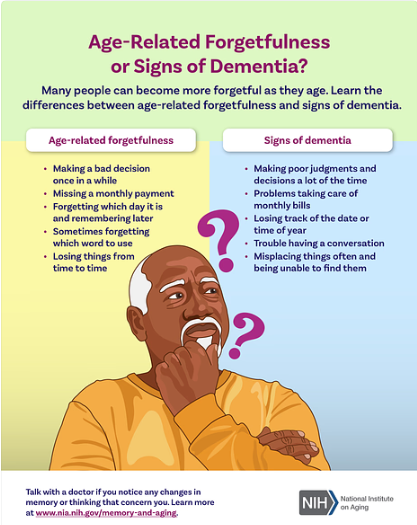
Age-Related Forgetfulness or Signs of Dementia?

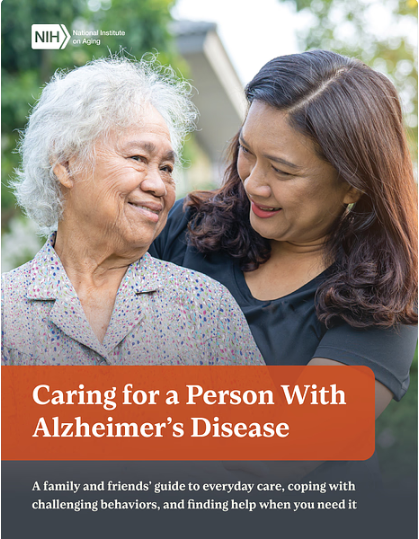
Caring for a Person With Alzheimer's Disease

Enhancing Cognitive Longevity

Exercise

Brief 20-minute sessions of cardiovascular activity can trigger critical 'brain ripples' that improve long-term memory and information processing.

Meditation

Studies indicate that a daily meditation routine can boost cerebral circulation

Manage your nutrition

Incorporate an Anti-Inflammatory diet to include fish, fresh fruits and vegetables. Prioritize your inner health to nurture your peace and stay emotionally and mentally balanced

Get Involved

Stimulation through active social engagement boosts brain longevity.

Nurturing relationships and communal activities keeps the mind sharp and spirits high.

Active social participation builds cognitive reserve, protecting against decline.

Fostering strong social ties and shared hobbies enhances mental resilience.

Community involvement and regular peer interaction are protective factors for cognitive health.

Useful Links

National Institute on Aging (NIA)

Provides comprehensive educational materials, research updates, and free, printable publications.

Alzheimer's Association

Offers in-depth content on symptoms, diagnosis, and caregiving, plus a 24/7 helpline and ALZ Talks webinars.

Alzheimer’s Foundation of America

Features fact sheets and expert information on dementia care.

AARP

Provides practical guides on safety, care options, and legal checklists.